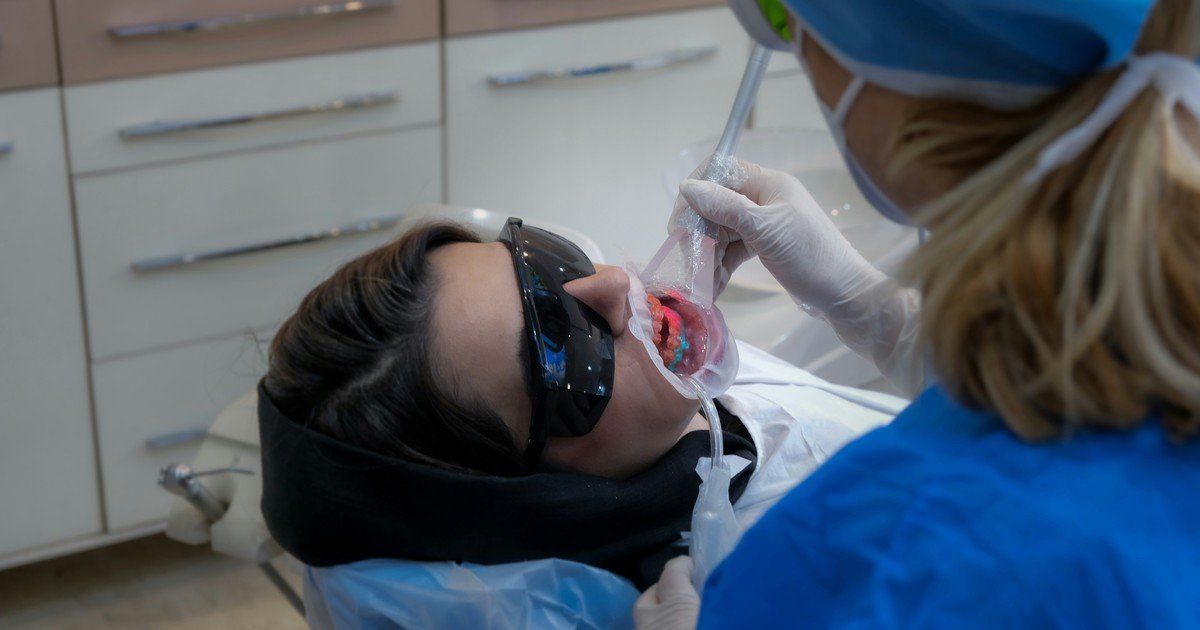
Wisdom teeth, the third molars at the very back of the mouth, usually appear between the ages of 17 and 25. For a lot of patients at EternaDent Family Dental Care, they cause no trouble at all. For many others, they become the source of recurring pain, swelling, and infection. Here is how to tell which category you fall into.
Why Wisdom Teeth Cause Problems in the First Place
Human jaws have generally gotten smaller over generations, but we still develop a full set of third molars. The result is often not enough room for them to grow in straight. A wisdom tooth can end up:
- Impacted, meaning it is trapped under the gum or bone and cannot fully emerge
- Angled sideways, pushing into the tooth next to it
- Partially erupted, with only part of the tooth breaking through the gum, leaving a flap of tissue that traps food and bacteria
Any of these situations can lead to pain, infection, or damage to neighbouring teeth over time.
Signs Your Wisdom Tooth May Need to Come Out
Book a consultation if you notice:
- Pain or tenderness at the very back of the jaw, especially when chewing
- Swollen or bleeding gums around the back molar
- Repeated infections in the same spot, sometimes with a bad taste or odour
- Difficulty opening your mouth fully
- Crowding or shifting of your front teeth, which a wisdom tooth can contribute to by pushing forward
- A cyst or bone loss visible on an X-ray, even without pain
Some impacted wisdom teeth stay silent for years and then flare up suddenly, often when your immune system is already under stress. That is why a periodic X-ray check matters even if you feel fine.
Do All Wisdom Teeth Need to Be Removed?
No. If a wisdom tooth has grown in straight, is fully erupted, and you can clean around it properly with a toothbrush and floss, it can often be left alone and simply monitored. The decision comes down to position, whether it is causing or likely to cause problems, and how easily it can be kept clean.
An X-ray is the only reliable way to see the angle and depth of an unerupted wisdom tooth, which is why we do not recommend a decision based on symptoms alone.
What the Procedure Involves
- Assessment: an X-ray shows the tooth's position relative to nerves, sinuses, and neighbouring teeth.
- Anaesthesia: local anaesthesia numbs the area completely. Most straightforward extractions do not need sedation.
- Extraction: a simple extraction is done for teeth that have fully erupted. An impacted tooth may need a small incision and, occasionally, sectioning of the tooth for easier removal.
- Closure: stitches are placed if needed, and gauze controls initial bleeding.
Most procedures take between 20 minutes and an hour, depending on how impacted the tooth is.
Recovery: What to Actually Expect
- Day 1: bite on gauze for the first hour, apply a cold compress to reduce swelling, and stick to soft, cool foods.
- Day 2 to 3: swelling typically peaks around day two or three before starting to improve. Mild bruising on the cheek is normal.
- Day 4 to 7: most discomfort fades. Avoid smoking, straws, and vigorous rinsing during this period, since dislodging the healing clot can cause a painful condition called dry socket.
- Week 2: stitches, if any, are usually removed or dissolve on their own, and the gum continues healing over the following weeks.
Following the aftercare instructions given at the clinic, particularly around not disturbing the extraction site in the first 48 hours, makes the biggest difference to a smooth recovery.
When to Get It Checked, Not Guessed
A lot of patients try to manage wisdom tooth pain with painkillers for weeks before booking an appointment. Painkillers manage the symptom, not the underlying impaction or infection, which tends to recur.
EternaDent Family Dental Care is located at Shop no. 2002, Streets of Europe, Maan Road, Phase 1, Hinjawadi. Dr. Aditya S. Ingle can assess your wisdom teeth with an X-ray and give you a clear recommendation on whether removal is needed, or whether monitoring is enough. If you have recurring pain at the back of your jaw, it is worth getting checked before your next flare-up.